
From Estuaries to Heaths: Walking the Living Edge
Step onto trails that trace a remarkable gradient, where brackish channels, saltmarsh terraces, dunes, and wind-brushed heather plains reveal wildlife adapting with every meter. Together we explore wildlife and habitat transitions on trails from coastal estuaries to upland heaths, sharing field wisdom, sensory moments, and practical ways to notice, care, and contribute.
Reading the Landscape Gradient
Learn to read the ground beneath your boots as shorelines soften into marsh, sand knits into dune slacks, and acidic, ancient soils rise toward open heath. Salinity, exposure, and drainage shift step by step, steering plant communities, insects, and predators, and turning a single walk into an ever-changing masterclass in adaptation.
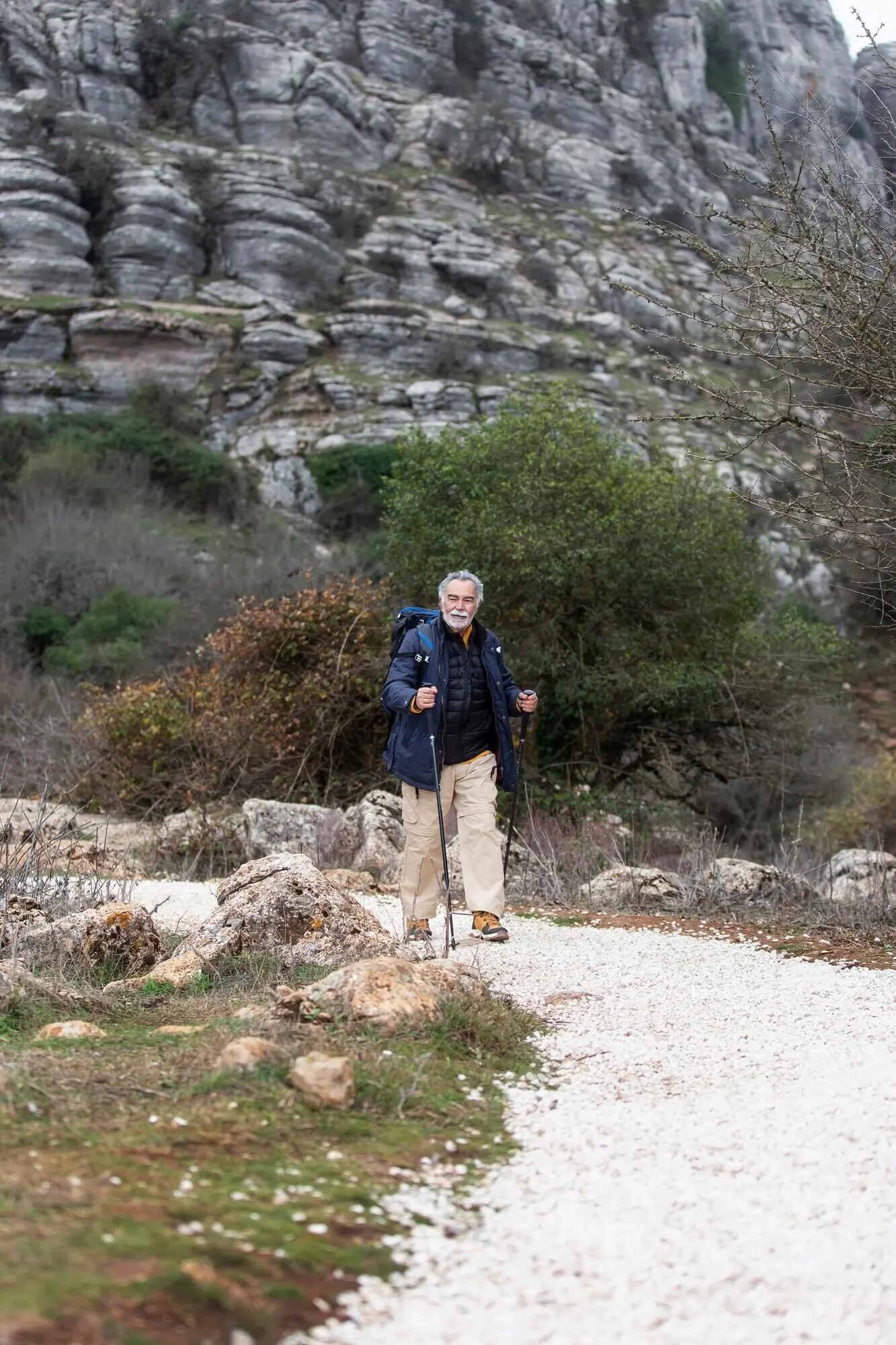
Wildlife on the Move
Timing rules these corridors, from tidal pulses that uncover banquets to seasonal winds carrying travelers between continents. Along one morning’s distance you may meet newly arrived warblers, glass eels nosing upstream, and deer stepping from shelter, each life tracking ancient signals that the trail patiently translates.
When the water retreats, armies of worms and burrowing clams surface cues, and tight flocks of dunlin, knot, and oystercatcher sweep the flats in glittering waves. Plan visits around falling tides to witness synchronized hunger, quick mathematics of bills and legs, and astonishing spatial memory at work.
Spring pushes warblers into reedbeds and swallows across shining channels, while salmon smolts slip seaward and elvers test brackish patience. Autumn reverses the current with berries, seedheads, and fattened waders, reminding walkers how abundance and lean times flow like tides through weeks, winds, and moonlit margins.
As daylight drains, nightjars churr over warm clearings, bats stitch air above heather, and moths bloom from the understorey. Listen for soft wingbeats and gentle claps of wind against gorse, clues that the day’s edge hosts another, equally intricate, wild choreography unfolding just beyond lantern glow.
Ecotones That Spark Diversity
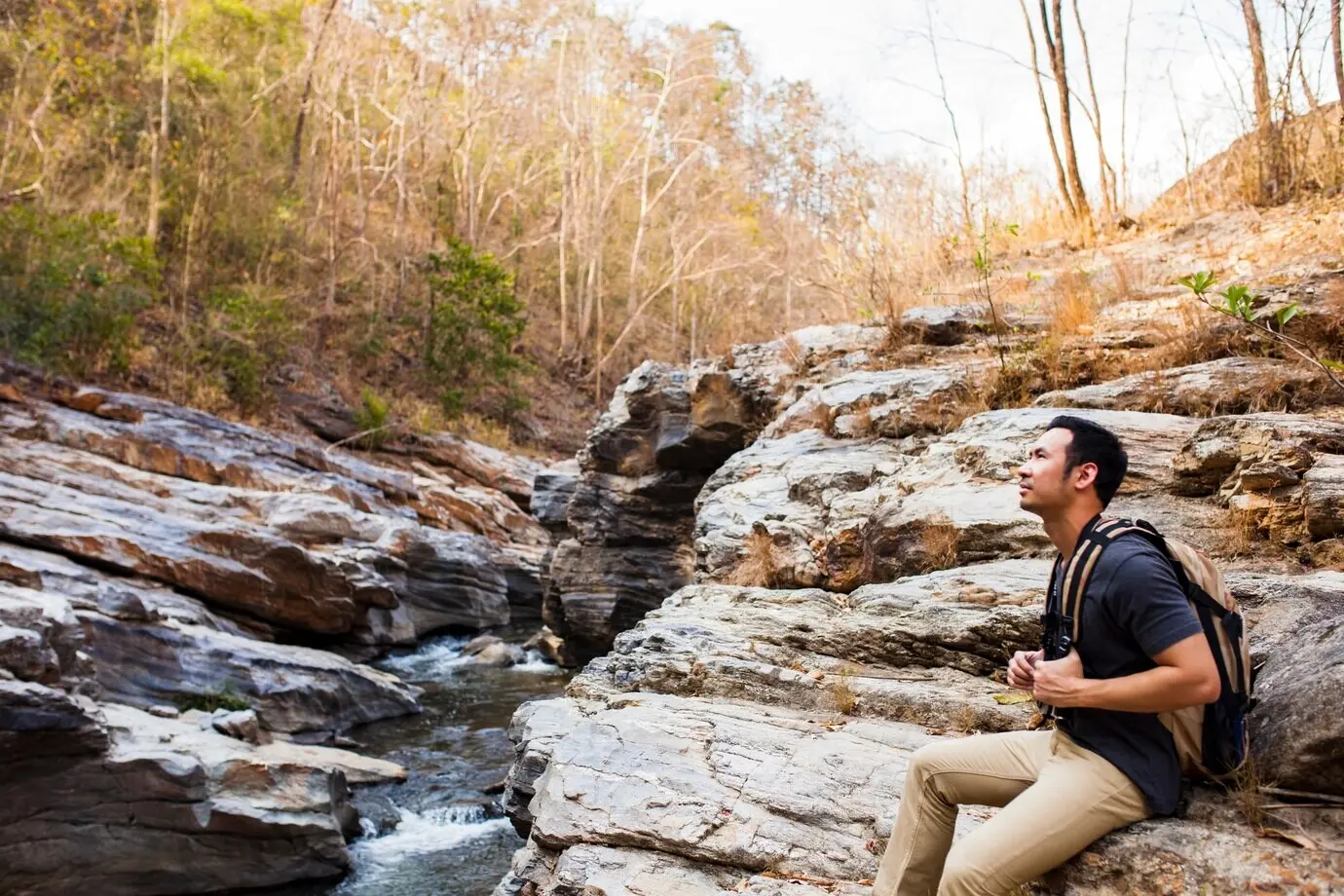
Boundaries here are living engines, mixing nutrient cycles, shelter, and light in compact spaces where specialists and generalists collide. Edge effects multiply niches, inviting overlapping guilds of feeders, pollinators, decomposers, and hunters, so every hedged bend and marshy fringe becomes a tiny stage that reliably surprises attentive walkers.
Trailcraft for Gentle Footsteps
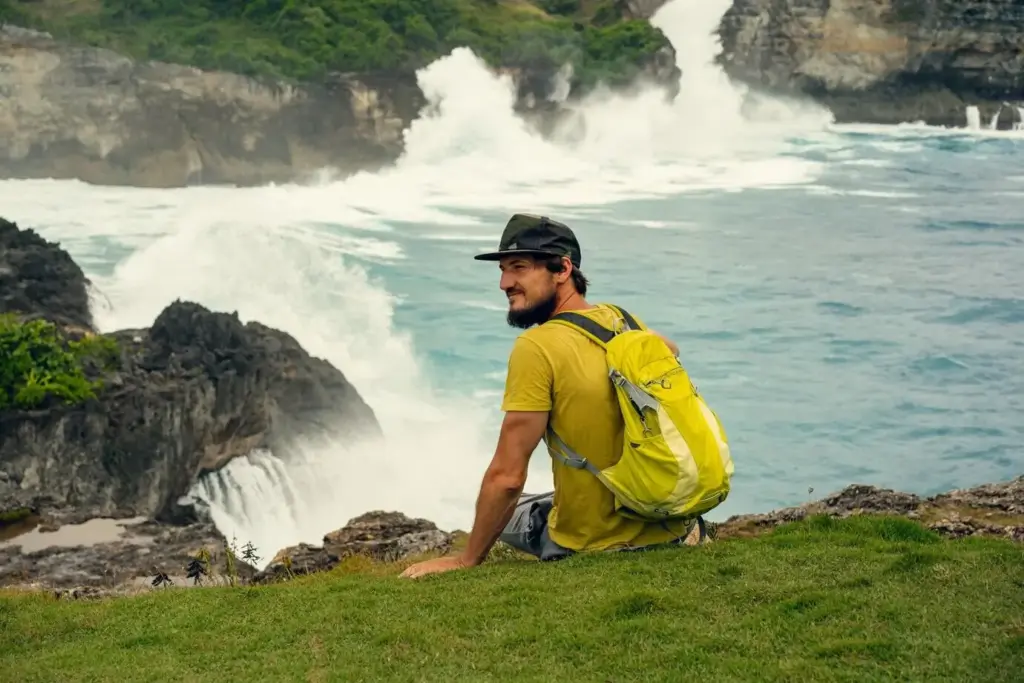
Responsible travel protects the very wonders you came to see, especially along fragile edges where nests hide and soils loosen easily. Stay on marked paths and boardwalks, leash dogs near birds, avoid drone buzz, and let quiet, distance, and tide awareness provide respectful invitations rather than stressful interruptions.
Stories From the Path
Field moments stitch knowledge to memory, carrying scents of iodine, crushed heather, and sun-warmed resin long after shoes are cleaned. These vignettes invite your own recollections, because sharing small discoveries multiplies wonder and builds a community that protects the quiet junctions where land, weather, and wanderers collaborate.
One grey morning, frost painting reeds, an osprey hovered above a mirror-slick pool while a fisherman waited, breath clouding. The bird stooped, missed, circled again, and both smiled differently, lesson shared without words: persistence, timing, and respect for watery secrets define success on these margins.
After a squall passed, the heath steamed gently, raindrops jeweling every bell and spiderweb. The path smelled of peat and pine; a child crouched to watch ants rebuild, learning that storms are chapters, not endings, and that resilience writes softly across miniature, hard-working cities beneath our feet.
At dusk a ranger dimmed headlamps and asked for silence; nightjars answered together, a rolling purr threaded with wing claps. We stood still, held by sound, until stars brightened, realizing some concert tickets cost only patience, darkness, and faith that edges come alive when crowds step back.
Guardianship and Citizen Science
Short checklists, tide-height notes, and repeat photos from the same posts reveal trends that busy scientists cannot capture alone. Upload records to community platforms, include effort details, and return regularly, turning quiet walks into high-value datasets that guide funding, habitat management, and wise trail design decisions.
Join seasonal work parties cutting back invasive scrub, mending boardwalks, and reopening viewpoints that concentrate visitors away from sensitive nests. Learn from wardens, trade stories with neighbors, and head home tired and bright, knowing your hands helped the land breathe easier before the next storms arrive.
Carry light but wisely: binoculars, a hand lens, map, tide app, small notebook, pencil, and a reusable bag for litter. Add a weatherproof phone case, extra warmth, and a headlamp, so curiosity, documentation, and kindness fit together and stay ready whenever the landscape offers invitations.
All Rights Reserved.