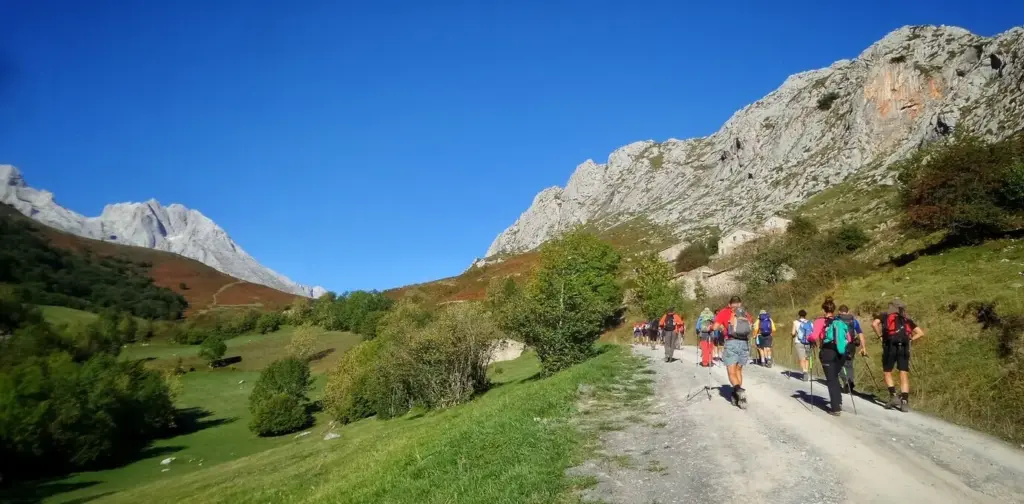
Footwear That Conquers Surf, Scree, and Skyline

Footwear choices decide whether enthusiasm outlasts soaked socks and unstable talus. Combine rapid-draining uppers, rock-ready midsoles, and confident tread that grips wet kelp, dune sand, and broken ridge limestone. On a blustery April linkup, swapping heavy boots for hybrid trail shoes cut hours and blister tape. Tell us what soles saved you, and which laces betrayed you.

Amphibious Traction and Drainage

Look for lug patterns that shed sand yet bite polished rock, paired with siping or sticky rubber compounds proven on tide-smoothed slabs. Mesh panels and perforated insoles move water out fast, reducing maceration. A removable stone guard helps transition from surf-splashed entrances to airy ridges without swapping footwear.

Socks That Beat Salt, Friction, and Cold

Merino–synthetic blends cushion against shells and grit while resisting funk across humid coves and windy crests. Carry a dry swap in a sealed bag to reset morale after tidal crossings. Thin liners under medium crews reduce hotspots, and calf-height coverage blocks intrusive sand during descents through shifting dunes.

Gaiters, Lacing, and Debris Control

Low gaiters keep pebbles and blown needles from creeping inside, especially when sidehilling on scree below the ridge. Heel-lock lacing stabilizes movement after shoes wet-out. Practice knotting that adjusts with numb fingers in wind, so your footing stays quiet and efficient from bay to brink.

Layering for Salt Spray and Summit Gusts

Coastal humidity chills deep when wind shifts, while ridges demand warmth without sweat traps. Build a system that dries fast near the surf, breathes under climbs, and seals heat at altitude. Pack redundancy for hands and head. Tell us your favorite shell–midlayer duo that never lets you down.

Tide Tables Meet Topo Lines

Carry conservative buffers around low tide to avoid committing around headlands. Pinch points vanish quickly beneath surging sets. On paper and screen, measure beach exits that connect smoothly into ascent spurs. A stubborn schedule ruins days; flexible timing preserves joy, safety, and energy for the ridge finale.

Wayfinding Through Dunes, Cliffs, and Scree

Compass bearings across featureless sand prevent wandering detours that burn hydration early. Use visual anchors like sea stacks, gullies, or lone pines marking the first switchbacks. Higher up, micro-route on stable blocks, avoiding marbles above exposure. Record cairn-free lines to reduce disturbance and guide a smoother descent.

Weather Windows and Exit Strategies

Coastlines hide katabatic surprises, while ridges brew thunder from innocent cumulus. Study aspect, fetch, and freezing level, and decide turnaround thresholds before leaving the car park. Mark gullies, saddles, and forest ramps as exits. Share stories where caution rewrote plans yet delivered an even better horizon.

Hydration and Fuel From Brine to Breeze to Thin Air

Water Sourcing and Treatment

Do not rely on coastal streams near livestock or camps; turbidity and microorganisms spike after rain. Carry a squeeze filter and chemical backup. Inland, snowmelt trickles vanish by late afternoon. Stage collapsible bottles near the ridge so evening views do not compete with dehydration headaches.

Electrolytes, Energy, and Morale

Mix electrolytes that balance sweat rate without stomach rebellion in surf humidity or at breezy cols. Alternate sweet and savory to avoid palate fatigue. Small, celebratory portions—dark chocolate, candied ginger—lift spirits for the final scramble, shaping memories as brightly as any blazing sunset.

Stoves and Windproof Kitchens

An alcohol burner sputters in coastal gusts; consider canister stoves with wide bases and low profiles. Pair with a windscreen and stable pot supports. On ridges, stake your groundcloth. Share your simplest soup or ramen hack that warms hands and unknots shoulders immediately.

Safety, Signals, and Small Emergencies

Minor mishaps multiply when transitions stack: wet rock, unstable sand, sudden exposure. Carry a compact kit tuned for abrasions, sprains, and windbite. Redundancy in light, fire, and navigation adds quiet confidence. Comment with lessons learned, and pledge to return wiser, happier, and still curious tomorrow.

Packs, Poles, and Carry Systems That Flow

Your load must adapt from beach boulder hopping to ridge scrambles without bruising shoulders or hips. Favor stable frames, clever pockets, and compression that tames sloshy layers. Trekking poles save knees and timing. Join the comments with fit tips that transformed your comfort more than ounces ever could.

Pack Volume, Fit, and Stability

A thirty to forty liter pack swallows layers, lunch, and safety gear while staying narrow for chimney moves. Test torso length and hipbelt wrap wearing your shore-start shoes. Side pockets for wet items protect the dry core. Cinch-down straps tame rattles that sap concentration.

Modular Packing for Wet-to-Dry Days

Color-coded dry bags organize shoreline items—microfiber towel, sandals, sun kit—away from alpine layers. Keep the wind shell and hat on top for exposure spikes. A mesh exterior pocket carries drip-drying socks so they greet the ridge warm, fresh, and blissfully salt-free.

Poles, Pace, and Rhythm

Adjustable poles collapse for scrambling yet lengthen on sand to ease calf burn. Use soft baskets near dunes and smaller ones on talus. Match cadence to wave sets during beach sections; later, count breaths per step up the ridge to meter effort wisely.

Stewardship, Wildlife, and Photography Without Harm
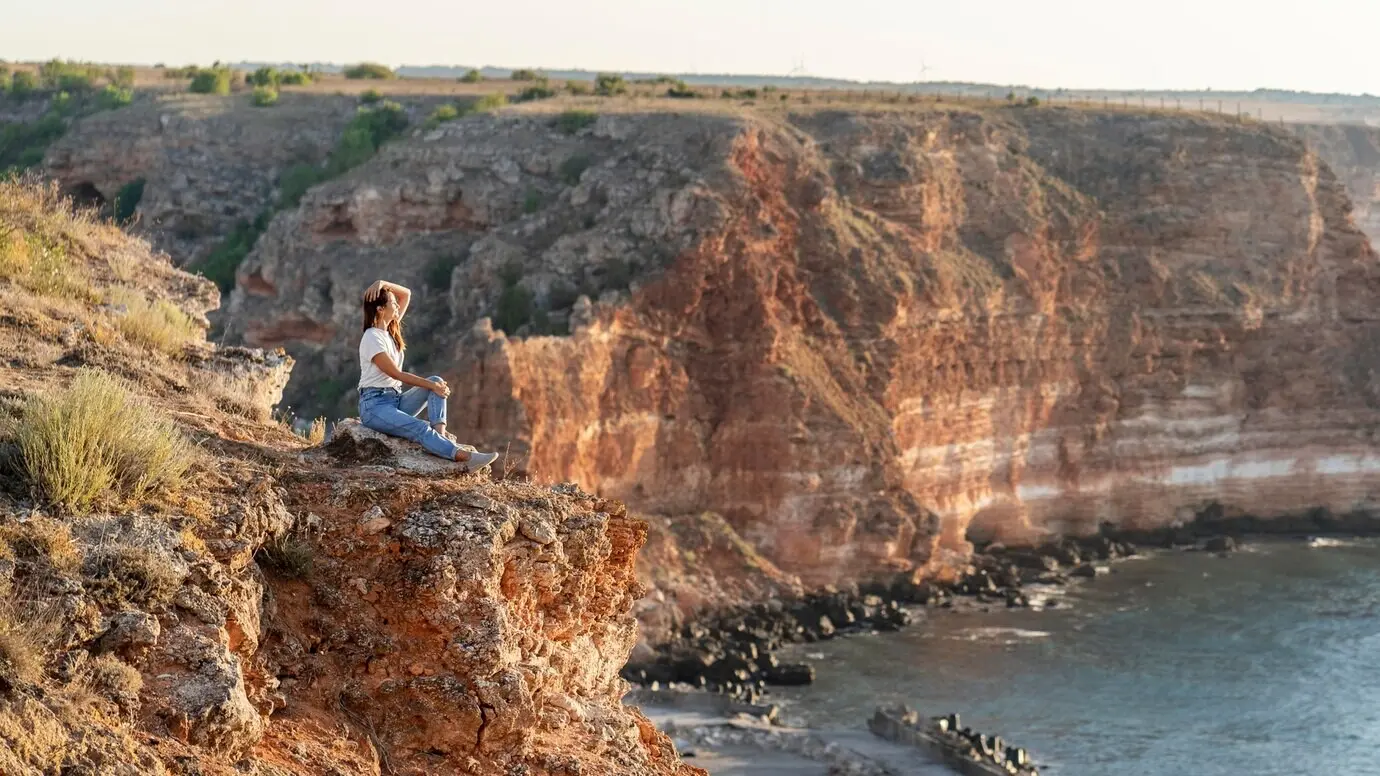
From tidepool anemones to alpine lichens, fragile communities border your path the entire way. Step softly, pack out micro-trash, and choose viewpoints that spare vegetation. Keep lenses respectful distance from nests and goat kids. Share your finest shots and the choices that made them truly responsible.
Vofekizutilukapemara
Privacy Overview

This website uses cookies so that we can provide you with the best user experience possible. Cookie information is stored in your browser and performs functions such as recognising you when you return to our website and helping our team to understand which sections of the website you find most interesting and useful.